Why Does Virtual Cybersecurity Training for Remote Workers Matter?

As cyber threats change with the remote work landscape, the need for comprehensive virtual cybersecurity training has never been more pressing. Learn how equipping your remote workforce with the right knowledge and tools is a firm defense against digital dangers.

Cybersecurity in the Remote Work Era

Whereas traditional office settings provide controlled environments for information security, remote work creates new vulnerabilities. Organizations must recognize the heightened risks not as a possibility but as an inevitability. Cybercriminals have redirected their tactics to exploit the remote work model’s security gaps, with a notable increase in attacks aimed at remote employees.

Companies face threats like credential theft, ransomware, and malicious software, all compounded by potentially insecure home networks and many different personal devices accessing corporate resources. A proactive approach is more than advisable— it’s necessary. The stakes are high, as breaches can result in significant financial losses, erosion of customer trust, and legal repercussions. Integrating virtual cybersecurity training is needed to give remote workforces the knowledge and tools to navigate and neutralize cyber risks effectively.

What Is Virtual Cybersecurity Training?

Virtual cybersecurity training encompasses a range of programs and courses delivered online. These include interactive sessions, video tutorials, and simulations designed to educate employees about potential cyber threats and the necessary precautions to take when working remotely. Training is crafted to enhance understanding of malware, phishing, secure password practices, and other elements critical to protecting digital assets.

The transition to remote work generates new vulnerabilities in cyber defenses. An educated workforce and general awareness of current cybersecurity tactics become a crucial defensive layer. Employees must learn to recognize common threats and learn protocols for reporting incidents. Virtual cybersecurity training turns remote workstations into fortresses against cyber incursions.

Key Benefits of Virtual Cybersecurity Training for Businesses

Virtual cybersecurity training equips employees with the skills to recognize and avert potential cyber threats. This proactive approach has measurable advantages for businesses operating with remote workforces.

  • Enhancing employee skills leads to a competent team capable of identifying phishing attempts, understanding the consequences of data breaches, and employing best practices for secure remote work practices.
  • Protecting sensitive enterprise information and data reduces the risk of financial loss, reputational damage, and legal repercussions that may follow a cyber incident.
  • Strengthening the overall security posture transforms each workforce member into an informed defender against cyber threats. These collective efforts form a resilient security culture within the organization.

Data Protection and Remote Work

Data protection protects critical information from breaches, unauthorized access, and theft. Virtual cybersecurity training arms employees with tools to handle data securely, regardless of location.

Data breaches can lead to significant losses, both financial and reputational. Training addresses these risks, transforming employees into an effective first line of defense. Employees learn to recognize phishing attempts and social engineering tactics that threaten data security.

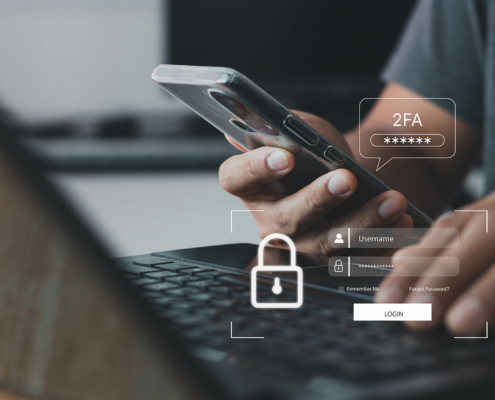
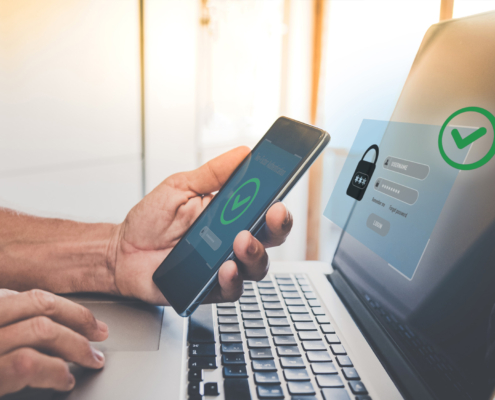
Securing remote desktop environments calls for specific protocols. Training introduces remote workers to virtual private networks (VPN), multi-factor authentication, and secure file-sharing systems. These measures ensure that operations continue without compromising the integrity of company data.

Key aspects of data protection training include:

  • Identification of sensitive data types and their importance.
  • Understanding legal frameworks like the General Data Protection Regulation (GDPR).
  • Best practices for securing data at rest and in transit.
  • Use of encryption, strong passwords, and secure connections.

Virtual cybersecurity training provides essential resources:

  • Guidelines on secure use of cloud services
  • Protocols for handling data breaches
  • Avenues for reporting potential security incidents

Sharpen Your Defenses With Phishing Training

Phishing remains a preferred method for breaching company defenses. Phishing training equips staff with the ability to distinguish fraudulent communications from legitimate ones, mitigating the risk of data breaches and financial loss.

Phishing typically involves deceptive emails that trick users into disclosing sensitive information. Variations include spear-phishing, which targets specific individuals, and whaling, aimed at high-level executives. Recognizing the nuances of each type empowers employees to respond appropriately.

A well-structured training program should help your workers:

  • Understand email headers and sender details to identify suspicious emails.
  • Recognize signs of phishing, such as urgent language or uncharacteristic requests, to strengthen the human firewall.
  • Discern between phishing and legitimate requests so business operations continue without interruption.

Simulated Phishing Attacks

Real-world simulations test employee reactions to phishing attempts. Controlled exercises pinpoint areas needing improvement and reinforce training effectiveness, developing an alert and informed workforce.

Engagement with these simulations yields analytical data. Managers use this data to assess risk areas and to focus ongoing cybersecurity education efforts.

Why Continuous Learning Matters

Cyber threats don’t stand still, and neither should phishing training. Regular updates and refresher sessions maintain awareness of current phishing trends and defenses. Employees should know the procedures for reporting suspected phishing attempts. Immediate action limits potential damage, and collective vigilance deters future attacks.

Here are few ways to keep learning engaging:

  • Role-playing exercises that involve identifying and reacting to phishing scenarios in real-time.
  • Quizzes that test knowledge of phishing strategies and appropriate responses.
  • Group discussions that facilitate sharing experiences and strategies for recognizing phishing attempts.

The need for robust cybersecurity training has never been more apparent. With the upsurge in cybercrimes targeting dispersed workforces, Millennium Technology Solutions, Inc. offers targeted training solutions to bolster your team’s ability to fend off cyber threats effectively. Don’t let your business become an easy target—support your team with the tools they need to stay safe.

Strategies for Fortifying Network Security in Remote Work Settings

Employees often connect to corporate networks from a variety of locations. This decentralized approach requires robust secure network practices to prevent unauthorized access and protect sensitive data. Virtual cybersecurity training programs now commonly include sections dedicated to strengthening network security for remote teams.

Training modules addressing network security focus on a range of topics:

  • Secure Wi-Fi usage guidelines clarify that employees should avoid public networks for work-related tasks without a virtual private network (VPN).
  • Instructions for VPN use are crucial, as secure VPN connections encrypt data transfers, masking activities and location from potential attackers.
  • Password policies play a pivotal role by enforcing strong, unique passwords paired with multi factor authentication (MFA) to access network resources.

Practical Application and Simulations

Engagement with lifelike scenarios during training better prepares employees to react swiftly and effectively in real-life situations. These programs protect the network and ensure that employees remain vigilant in adhering to security protocols, reducing risks associated with remote work connectivity.

Interactive simulations incorporated into training bring practical experience to participants. Simulations may include:

  • Identifying and reporting potential network breaches.
  • Safe practice drills on establishing and terminating VPN connections.
  • Password and MFA scenario-based exercises.

Sign On With Millennium Technology for Quality Cybersecurity Training

Millennium Technology Solutions, Inc. fortifies organizations against cyber threats. We create training modules that enhance your staff’s ability to identify and neutralize potential dangers. We make complex cybersecurity concepts accessible and actionable for every employee.

Our solutions educate and embed cybersecurity awareness into your culture. Are you ready to give your remote workforce the knowledge and skills to maintain your digital defenses? Reach out today.

More Like This

How SAML Multi-Factor Authentication Made Easier for Businesses
A Guide to the Zero-Trust Security Framework
The Biggest Cybersecurity Trends for 2025
What Is Drive Encryption and Why Does It Matter
How Secure Is Two-Factor Authentication
A person demonstrating digital security with a hand gesture, showcasing a lock icon on a shield in a technology-focused environment