How Secure Is Two-Factor Authentication? An Analysis

Passwords aren’t perfect. Sometimes, no matter how strong we make them, they slip into the wrong hands. Two-factor authentication (2FA) makes that scenario a whole lot less likely. By combining something you know with something you have, it puts a rock-solid barrier between you and unwanted visitors. Join us as we take a closer look at 2FA and why it’s a crucial element in a robust cybersecurity defense.

Passwords Alone Aren’t Enough Anymore

For a long time, passwords were the keys to our digital homes. We were told to make them long and complex, mix upper and lowercase letters, add symbols, and throw in a number or two. Unfortunately, even with all these efforts, passwords can still be stolen, guessed, or leaked.

It’s not hard to see why relying on passwords alone is risky. Cybercriminals use a variety of tricks—phishing, brute force attacks, password dumps from breached databases—to get their hands on your login details. Even if your password is strong, you might be reusing it on multiple sites or typing it into a fake login page without realizing it. If you’re dealing with private business information or sensitive client data, that’s a big problem. One small slip can lead to a major breach.

What Is Two-Factor Authentication, Really?

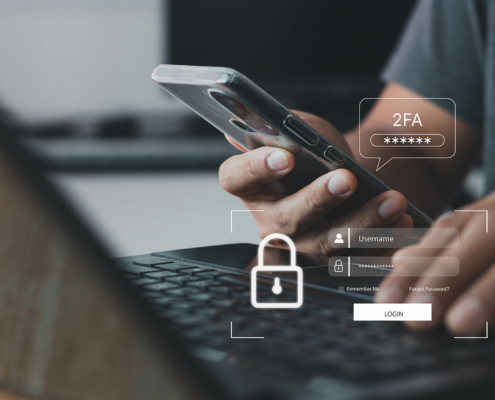
Two-factor authentication (2FA) adds a second hurdle to your login process, drastically reducing the likelihood that anyone but you can gain access. Think of it like a door with two locks: even if a hacker manages to pick the first lock (your password), they still face another one—often a code sent to your phone, a fingerprint, or a hardware key. This added layer transforms a single point of entry into a robust security checkpoint.

To understand how secure two-factor authentication is, it helps to see it as a method requiring two separate forms of identification before granting access. If one layer fails, the other stands guard, ensuring a much tougher time for potential intruders. For someone trying to break in, possessing just your password isn’t enough—they’d need the second factor, too. The result is secure two-factor authentication that elevates your online defenses, making it significantly harder for attackers to exploit weak passwords or outdated security practices.

Reviewing the Different Types of 2FA Methods

If you’ve ever tried logging into an account and received a text message with a code, you’ve already experienced one of the most common forms of 2FA. But that’s not the only way to do it. Let’s break down a few popular options:

SMS Codes

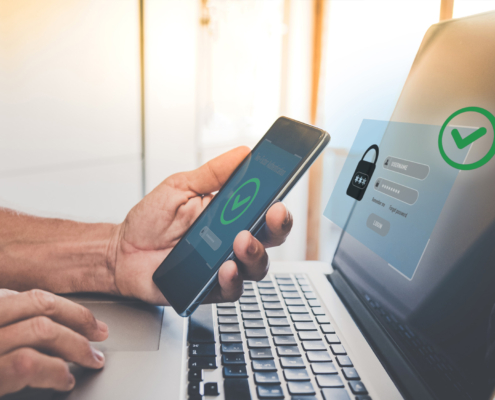
When you log in, you enter your password and are then prompted to enter a code sent to your mobile device via text message. It’s simple and something most of us are used to, but it does have its downsides. Phone numbers can sometimes be hijacked, and text messages aren’t always encrypted. Still, SMS 2FA is a giant step up from passwords alone.

Authenticator Apps

Apps like Google Authenticator or Authy generate time-sensitive codes right on your smartphone. These codes change every 30 seconds or so, making them harder to intercept. Authenticator apps aren’t tied to your phone number, which makes them more secure than SMS. They’re also easy to set up and super convenient once you get the hang of them.

Hardware Keys

A hardware security key is a tiny device you plug into your computer or tap against your phone. It verifies your identity without you needing to type in any extra code. Hardware keys are incredibly secure because a hacker would need physical access to the key itself to get in. For businesses handling highly sensitive data, these keys add serious peace of mind.

No matter which method you choose, the core idea is the same: a second factor makes life much harder for intruders.

Why 2FA Beats Passwords Alone Every Time

You might be wondering: Is it really worth adding that extra hurdle involved in 2FA? It absolutely is. Here’s why.

Multiple Layers of Security

Let’s say a hacker manages to guess or steal your password. Without 2FA, that might mean game over—they’re in. With 2FA, however, the hacker would also need that second factor. Whether it’s your phone, your security key, or your fingerprint, that’s not something they can easily get.

Reduced Phishing Success

Phishing attacks usually trick you into handing over your password. But if you have 2FA set up, even if you accidentally give away your password, the hacker still can’t access your account without the second factor. It’s like having a secret handshake that the hacker doesn’t know.

Ready to boost your security with strategies beyond simple passwords? Learn how our cybersecurity solutions can protect your business data now.

Balancing Security and Convenience

Adding an extra step to your login process can feel like a hassle at first. We’re all used to clicking “Log In” once and getting right to work. With secure two-factor authentication, you’ll need to grab your phone or plug in a security key. That might mean a few extra seconds each day.

It’s important to consider the payoff: those few extra seconds are what stand between a random hacker on the internet and your sensitive data. Secure two-factor authentication is like locking your front door—sure, it takes a couple of seconds longer than leaving it wide open, but it’s worth it for the peace of mind. After a while, typing in that code or tapping that key becomes second nature, and you’ll hardly notice the extra step.

Looking Ahead: The Future of Login Security

2FA is already a huge leap forward, but security experts are always looking for ways to improve. One area that’s gaining traction is biometrics—things like fingerprints, facial recognition, and even voice patterns. These factors are unique to you, making them tough for hackers to fake. As the technology matures, we might see even more secure and user-friendly authentication methods.

There’s also interest in making 2FA feel more natural. For example, apps that automatically verify your identity in the background or systems that check your device’s physical location. The goal is to keep improving both security and convenience, ensuring you can protect your data without feeling like you have to jump through hoops.

As we move forward, staying informed and adaptable is key. Just as passwords are no longer enough on their own, we might someday find that even 2FA isn’t the final solution. New authentication methods will keep popping up, and being aware of them can help you stay ahead of the curve.


Invest in the Best—Invest in Millennium

Want to find out how to put secure two-factor authentication and other security measures in place for your business? Reach out to Millennium Technology Solutions today, and we’ll help you create a custom plan that fits your needs. Your data deserves the best protection—don’t settle for anything less.

More Like This

How SAML Multi-Factor Authentication Made Easier for Businesses
A Guide to the Zero-Trust Security Framework
The Biggest Cybersecurity Trends for 2025
What Is Drive Encryption and Why Does It Matter
A person demonstrating digital security with a hand gesture, showcasing a lock icon on a shield in a technology-focused environment